

IA
AI Policy Syllabus Statements: 5 Templates for Teachers
Five adaptable AI policy statements for your syllabus, from no AI to open use, plus how to set disclosure rules and use detectors fairly in your course.
Cómo funcionan las herramientas de escritura y los detectores de IA, qué significan sus resultados y cómo usar la IA con responsabilidad en clase y en el trabajo.
Five adaptable AI policy statements for your syllabus, from no AI to open use, plus how to set disclosure rules and use detectors fairly in your course.
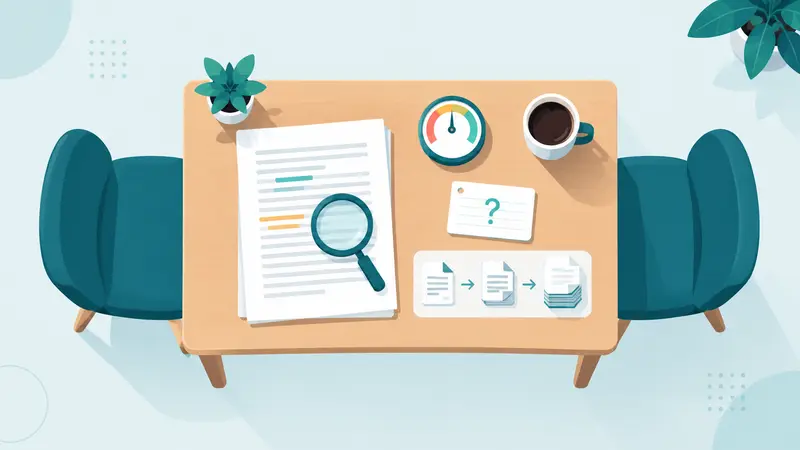
How professors spot ChatGPT use: detector reports, writing history, voice changes, fake citations and follow-up questions, and why a score isn't proof.

An honest Copyleaks review from public information: its AI detector, plagiarism checker, integrations and audiences, where it fits, its limits and alternatives.
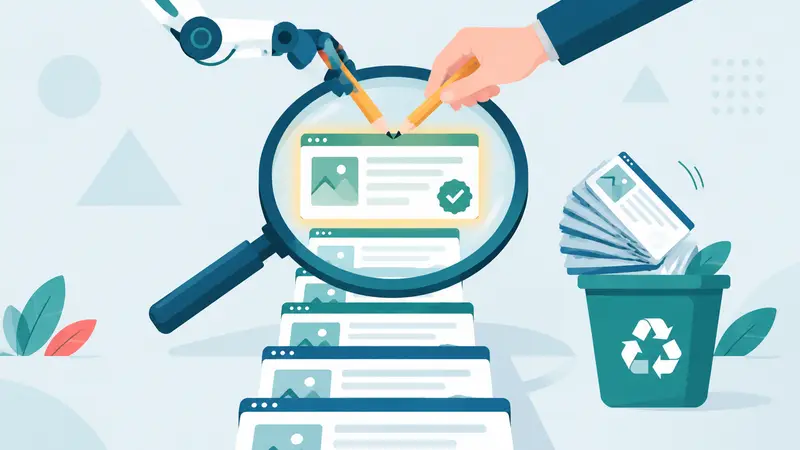
Google doesn't ban AI content, but it targets low-value pages made to manipulate rankings. What its guidance says and how to publish AI-assisted work well.
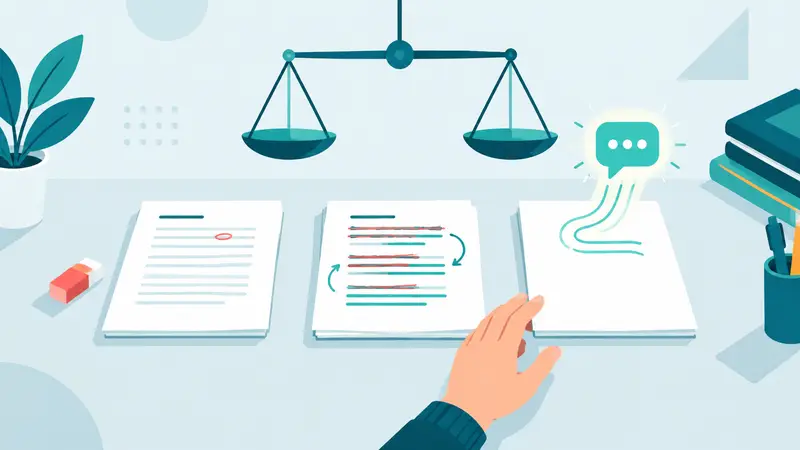
Grammar fixes, AI rewriting and AI-generated text differ. How course policies treat Grammarly-style tools, how detectors react, and what to disclose.

When and how to disclose AI use in schoolwork: what to include, where to put it, and six sample AI disclosure statements you can adapt to your course policy.
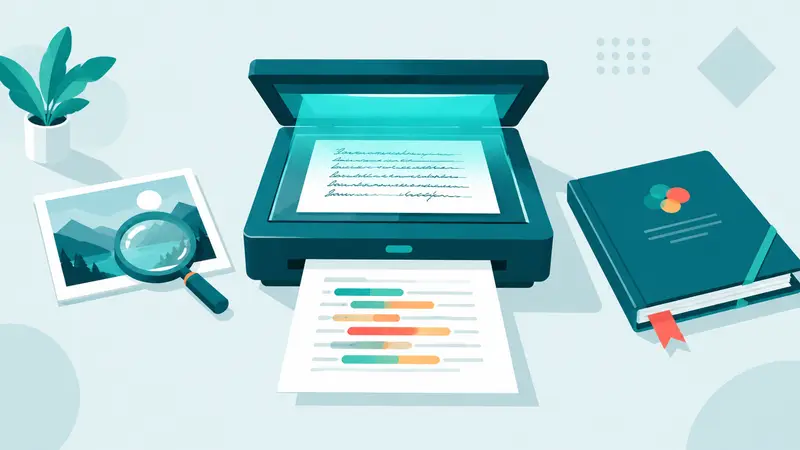
An honest Winston AI review from public information: AI text and image detection, plagiarism checks, document scanning, who it suits and its limits.

A feature-level comparison of ZeroTell and GPTZero from public information: AI detection, plagiarism checks, classroom tools, rewriting and who each one suits.
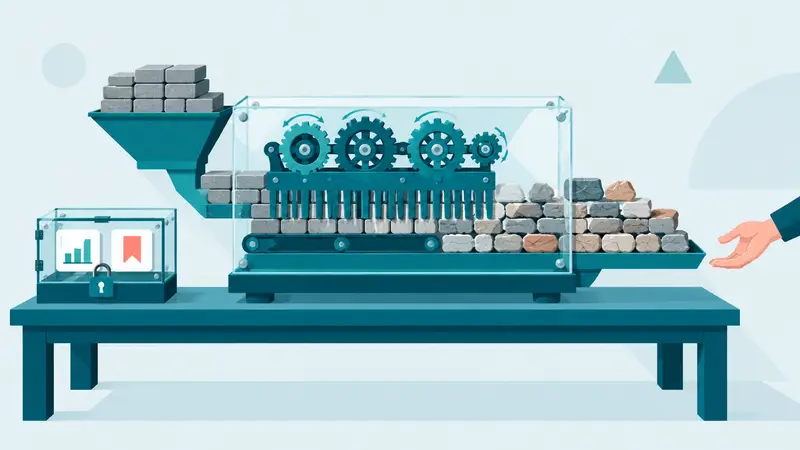
Qué cambia de verdad un humanizador de IA en tu texto, por qué la escritura de IA suena robótica y cómo usarlo con honestidad como ayuda para editar.
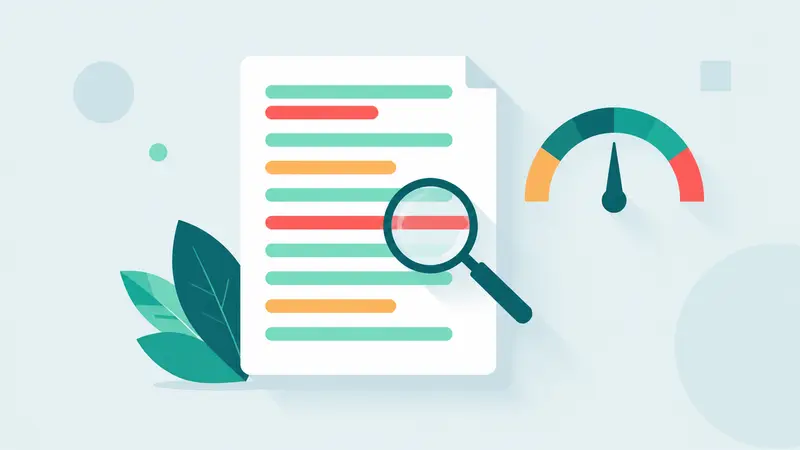
Cómo analiza el texto un detector de IA: previsibilidad, variación entre oraciones, clasificadores entrenados y por qué sus resultados son probabilidades.

La mayoría de las universidades que revisan la IA usan Turnitin; algunos profesores usan GPTZero, Copyleaks u otros. Cómo funcionan y cómo se usan.
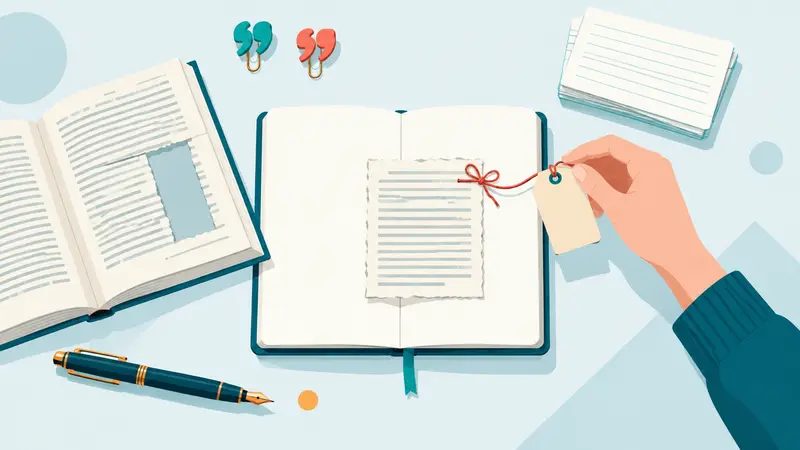
Plagiar es presentar como propias las palabras o ideas de otra persona. Conoce los principales tipos, mira ejemplos claros y aprende a evitarlo.