
Writing
How to Write a Thesis Statement (Formula + Examples)
Write a thesis statement that makes a specific, arguable claim: the four types, a simple formula, weak-to-strong examples and a checklist to test yours.
Essays, citations, grammar and style: step-by-step guides for students and professionals who want their writing to read well.
Write a thesis statement that makes a specific, arguable claim: the four types, a simple formula, weak-to-strong examples and a checklist to test yours.
Write an annotated bibliography step by step: descriptive vs. evaluative annotations, APA and MLA formatting, and a full sample annotation.
Write an argumentative essay step by step: a debatable thesis, evidence-based body paragraphs, a fair counterargument and an example outline.

It's means it is or it has; its shows ownership. You're means you are; your shows ownership. One test fixes both, plus why its has no apostrophe.
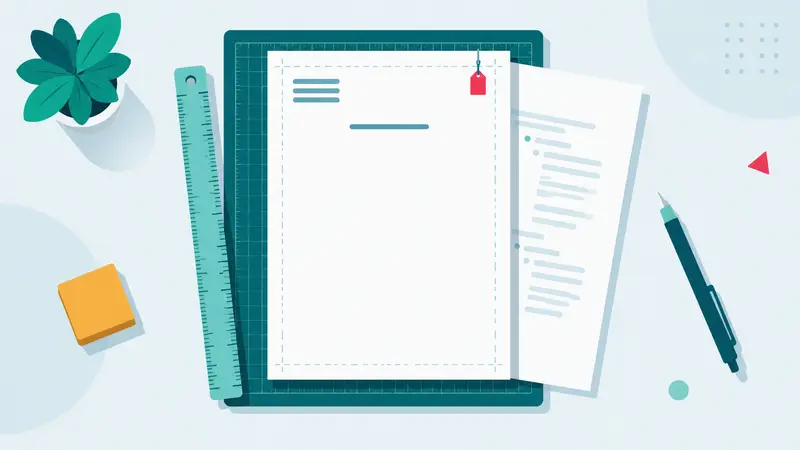
Set up a paper in MLA 9 format: margins, font, the first-page heading, the running header, the title, block quotes and the Works Cited page.
A run-on joins two complete sentences without the right punctuation. Learn to spot fused sentences and comma splices, and fix them four different ways.

Use who for subjects and whom for objects. Learn the he/him test, how to handle clauses and whoever/whomever, and when casual English drops whom.
Use AI as a study partner, not a shortcut: 10 practical ways to quiz yourself, plan revision, explain hard topics and get feedback before your exams.
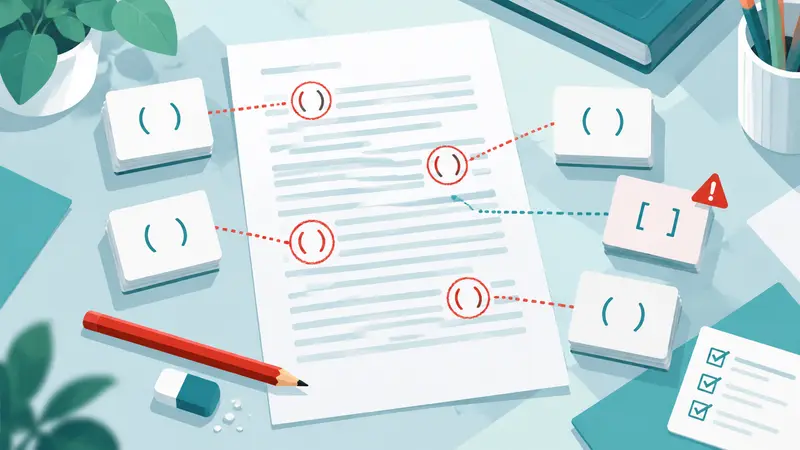
The in-text citation mistakes instructors mark most often in APA and MLA papers, with corrected examples for each one and a quick checklist before you submit.

A stage-by-stage academic writing workflow that uses AI for planning, research support and feedback while you keep ownership of the argument and the prose.
Accidental plagiarism happens when you use someone's words or ideas without proper credit, by mistake. Learn the common causes, real examples and simple fixes.
Learn the difference between active and passive voice, how to spot the passive, when it actually works better, and how to rewrite weak passive sentences.