

Penulisan
How to Use a Dash: Em Dash, En Dash and Hyphen Explained
When to use an em dash, an en dash or a hyphen, with clear examples, spacing rules, how to type each one, and the mistakes editors fix most often.
Esei, petikan, tatabahasa dan gaya: panduan langkah demi langkah untuk pelajar dan profesional yang mahu menulis dengan lebih baik.
When to use an em dash, an en dash or a hyphen, with clear examples, spacing rules, how to type each one, and the mistakes editors fix most often.

What an AI blog writer is good at, where it falls short, and a practical workflow for turning AI drafts into blog posts with real expertise and a clear voice.
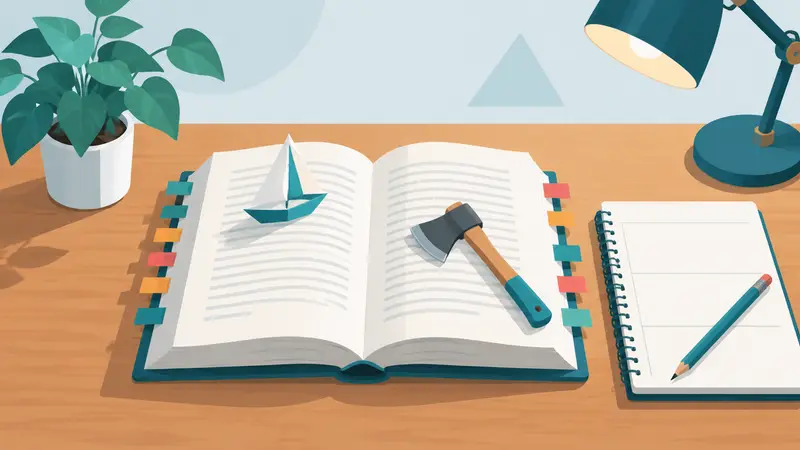
A student guide to writing a book report: take notes as you read, follow the standard outline, summarize briefly and add your own analysis.

Learn how to write a personal check in six steps: date, payee, amount in numbers and words, memo and signature, plus a labeled example and safety tips.

The five-paragraph essay explained: what goes in the introduction, body paragraphs and conclusion, with an outline template and a sample essay.

What a letter of intent is, how it differs from a cover letter, and how to write one for a job, graduate school or business deal, with two fresh examples.
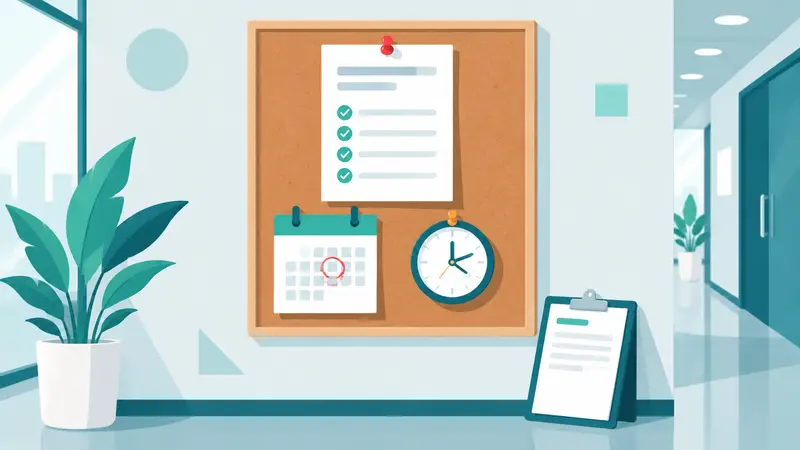
A clear guide to writing a business memo: the standard header, how to lead with the point, what to cut, plus a template and two fresh examples you can adapt.
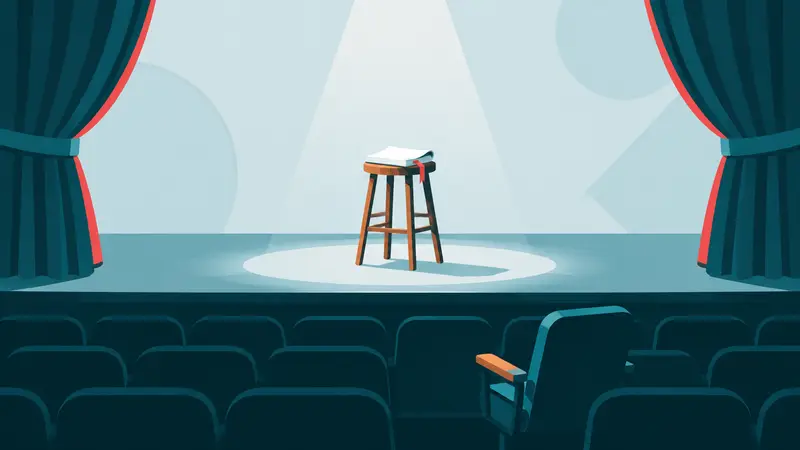
How to write a monologue for the stage, screen or fiction: find the character's need, build a shift, write for the voice, and revise by performing it aloud.
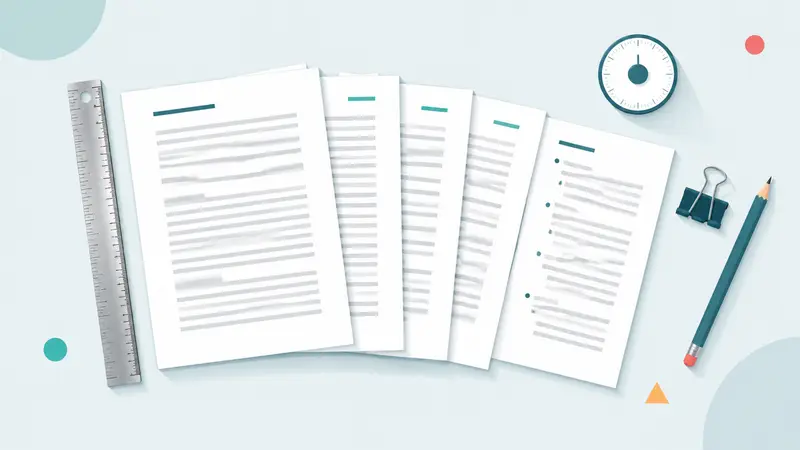
Set up an APA 7th edition student paper: title page, fonts, spacing, headings, in-text citations and references, with fictional examples you can follow.

How to write a position paper for class or Model UN: pick an arguable issue, research both sides, state your stance, answer objections, cite sources.

How to write a clear report for school or work: define the purpose, gather evidence, follow a standard structure and write the summary last.

Write an introduction paragraph that earns attention: choose a hook that fits, give just enough context, end with a clear thesis, and avoid the classic openers.